
SWOPT Summer Workshop 2026: Science, Collaboration, and Inclusion in Crete
From June 29 to July 3, 2026, the SWOPT consortium gathered in Chania, Crete (Greece) for the SWOPT Summer Workshop 2026, organised by partner FORTH. Hosted at the Mediterranean Agronomic Institute of Chania (MAICh), the event brought together early-career researchers and experienced scientists from both within and beyond the consortium to exchange knowledge and strengthen collaborations in the field of biomedical imaging.
The workshop offered a comprehensive programme combining theoretical lectures, hands-on training, and interactive discussions on optoacoustic imaging and advanced image analysis. Participants had the opportunity to work with real imaging datasets and explore interdisciplinary approaches spanning physics, engineering, and biomedical sciences. Beyond its training value, the workshop also served as an important dissemination activity, fostering scientific exchange among peers and expanding the consortium’s academic and professional network. The event created opportunities for new collaborations and laid the groundwork for potential future joint research initiatives.
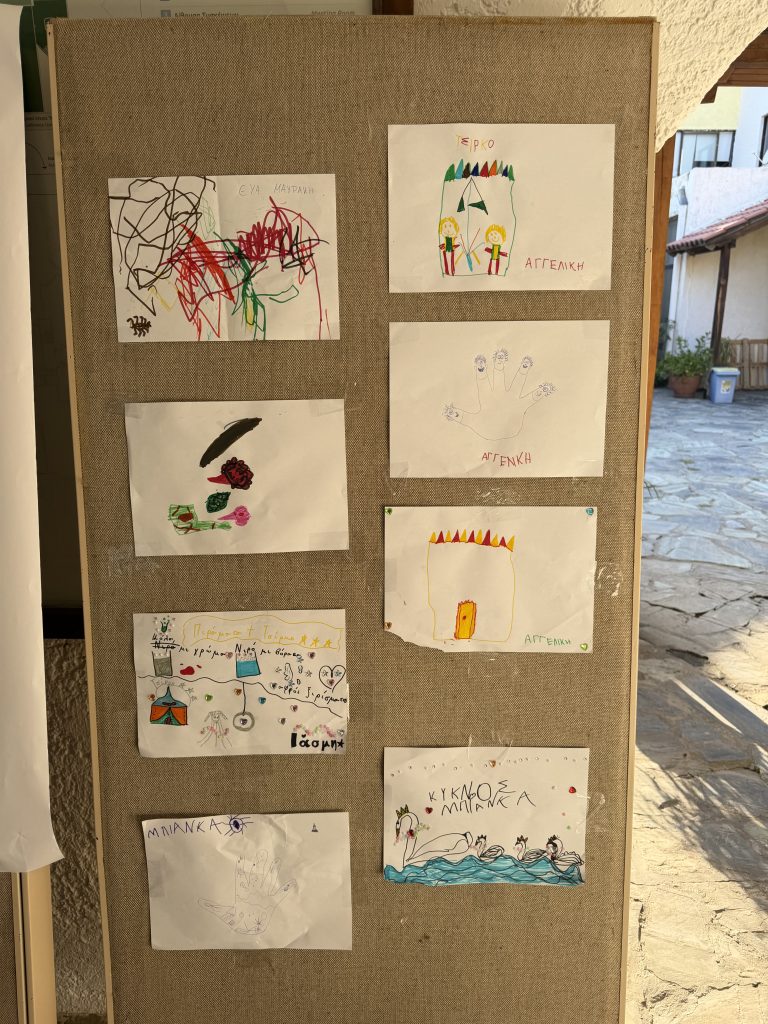
To complement the main scientific programme, FORTH also organised the SWOPT Summer Workshop 2026: Kids Edition, a parallel initiative designed for the children of workshop participants. The programme offered a science-focused summer school experience, allowing children to engage in age-appropriate experiments, coding activities, and interactive learning experiences throughout the week. They also participated in selected social activities alongside the workshop attendees, becoming part of the wider SWOPT community.
A particular highlight of the Kids Edition was the opportunity for the children to create their own scientific posters and present them during the workshop poster session alongside the researchers. This activity provided a fun and engaging introduction to scientific communication.
By running these two activities in parallel, the SWOPT Summer Workshop 2026 not only delivered high-quality scientific training and networking opportunities but also promoted a more inclusive research environment. The Kids Edition helped make participation more accessible for researchers with family responsibilities, supporting work-life balance and reflecting the consortium’s commitment to equal opportunities in science.


Previous
Next